 3dtips4u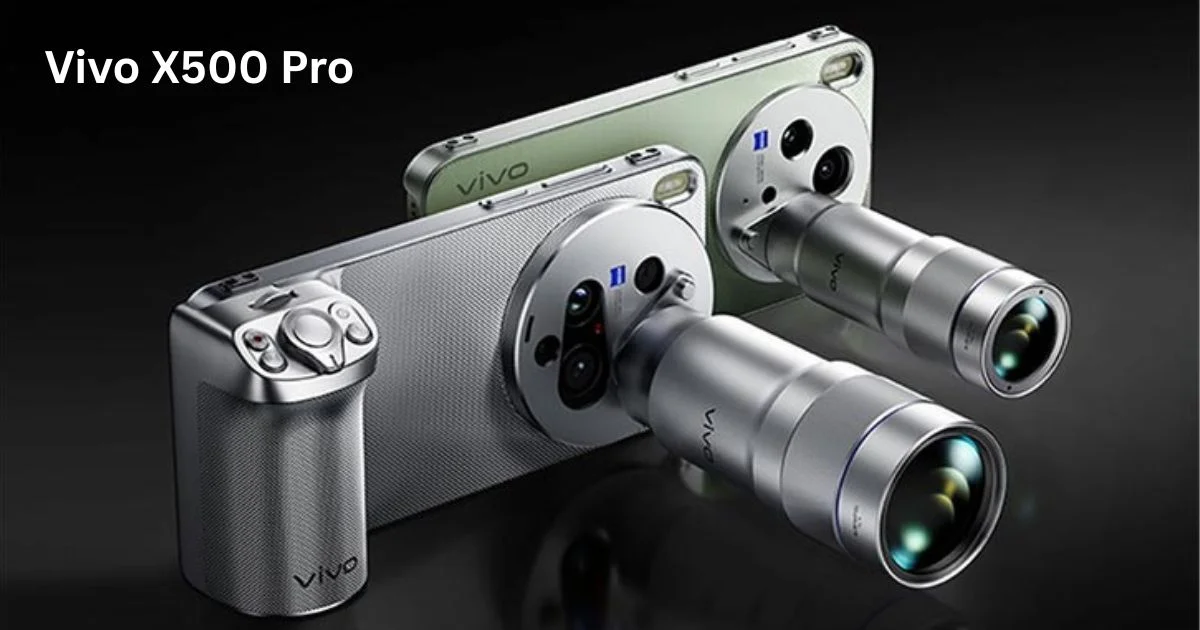
The smartphone camera race is becoming more competitive with every new generation. Manufacturers are no longer focusing only on megapixel counts and large sensors. They are also working on better stabilization systems that can help users capture sharper photos and smoother videos in challenging conditions. Vivo appears ready to push this technology further with the upcoming Vivo X500 Pro Max.
The Vivo X500 Pro Max has been teased with an impressive camera feature that could make it stand out from other premium smartphones. Its main camera is expected to feature 3 degree gimbal stabilization. This technology could provide stronger physical movement compensation and help users record more stable footage while also improving image quality when shooting handheld.
The new stabilization approach is particularly interesting because smartphone photography has increasingly moved toward professional looking results. People now use their phones for travel videos social media content portraits night photography and everyday moments. Better stabilization can make a major difference in all of these situations.
A day after teasing the phone’s 17EV dynamic range, Vivo product manager Han Boxiao is talking about X500 Pro Max’s camera stabilization in his latest Weibo post.
Han makes a fairly simple point about it. With photos, you can take multiple shots and pick the sharpest one. But video is different. If even one second of footage is shaky or too dark, the whole clip can end up being useless. That’s why Vivo is focusing on improving the consistency of its camera rather than just chasing higher specs.
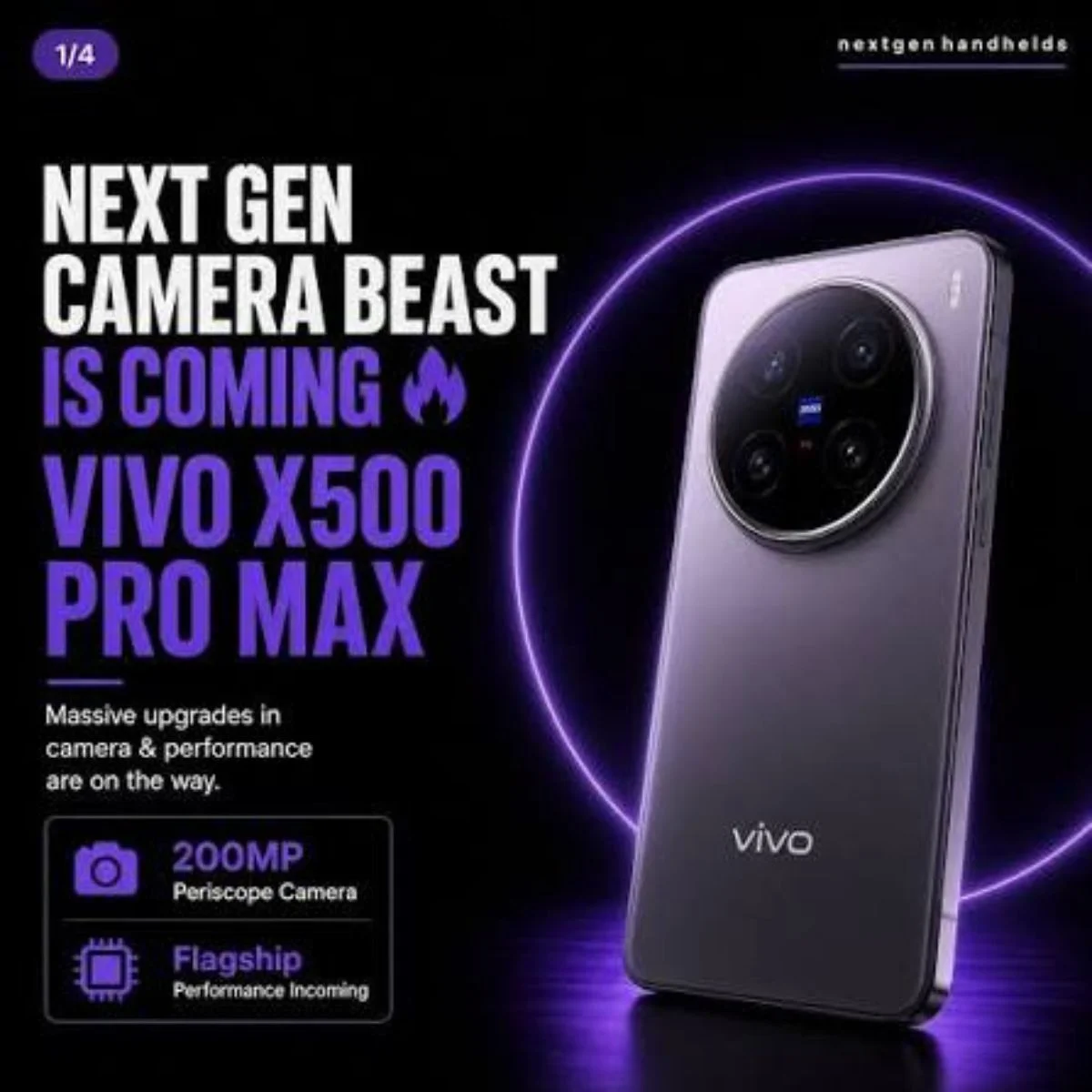
Vivo X500 Pro Max Camera Technology Takes Center Stage
The camera system is expected to be one of the major attractions of the Vivo X500 Pro Max. Instead of relying entirely on software based stabilization the phone is being teased with a physical gimbal style stabilization system for its primary camera.
A gimbal system works by allowing the camera module to compensate for movement. When a user moves the phone slightly while taking a picture or recording video the stabilization mechanism can counter some of that movement. This can result in steadier footage and sharper images.
The 3 degree figure is especially notable because it indicates the range through which the stabilization system can compensate for movement. While the exact performance will depend on the final hardware and software implementation the feature suggests that Vivo is targeting users who care about advanced mobile photography.
What Does 3 Degree Gimbal Stabilization Mean
Traditional smartphone optical image stabilization normally moves the lens or sensor by a relatively small amount to compensate for hand movement. A gimbal style mechanism takes this concept further by providing physical movement across multiple directions.
The 3 degree stabilization mentioned for the Vivo X500 Pro Max could allow the main camera to maintain a more stable position when the phone moves. This can be useful when recording video while walking or when taking photos in low light.
Small movements become more noticeable when shooting in darker environments because the camera generally needs a longer exposure. If the phone moves during that exposure the resulting image can become blurry. A stronger stabilization system can help reduce this problem.
For video recording the benefit can be even more obvious. Handheld footage can contain small shakes and sudden movements. A physical stabilization system can help produce smoother footage before software processing is applied.
Better Video Recording Could Be a Major Benefit
Mobile video has become an important part of smartphone usage. Users regularly record short videos for social platforms as well as longer clips for personal projects. This makes stabilization an increasingly important camera feature.
The Vivo X500 Pro Max could offer an advantage in this area if its gimbal stabilization performs as expected. A more stable main camera could help reduce unwanted movement during handheld recording.
Walking shots could appear smoother. Slow camera movements could look more controlled. Everyday recordings could require less editing because some of the unwanted shake may already be reduced at the camera hardware level.
This does not mean that the phone would completely eliminate movement. No smartphone stabilization system can remove every type of shake. However physical stabilization can provide an important foundation for software based video stabilization.
Night Photography Could Also Benefit
Another area where the Vivo X500 Pro Max could benefit from advanced stabilization is night photography.
When there is less available light the camera needs to collect more light. Smartphones often use longer exposure times or combine several frames to create brighter images. During this process even small hand movements can affect image sharpness.
A stronger stabilization mechanism could help the camera remain steadier during image capture. This may allow the phone to produce clearer night photographs with better detail.
Vivo has previously focused heavily on smartphone photography technology. The addition of an advanced stabilization system to a future flagship would continue that strategy and could help the company compete with other premium smartphone manufacturers.
A Stronger Camera Does Not Depend Only on Megapixels
The smartphone market has spent years competing over camera megapixel numbers. Higher resolution can certainly provide benefits but it is only one part of the overall photography experience.
Sensor size lens quality image processing autofocus shutter speed and stabilization all contribute to the final result.
The Vivo X500 Pro Max appears to be focusing attention on stabilization rather than simply increasing the megapixel count. This could be a sign that smartphone camera development is becoming more focused on complete imaging systems.
A camera with a high resolution sensor can still produce blurry images if the phone moves during capture. Similarly a powerful video camera can produce shaky footage without effective stabilization.
This is why the rumored 3 degree gimbal system could become one of the most important features of the device.
Improved Handheld Photography Experience
Many smartphone users take photos without using a tripod. They simply raise their phone and capture the moment. This means the camera has to deal with natural hand movement every time a picture is taken.
The Vivo X500 Pro Max could make handheld photography more reliable through its physical stabilization system.
Users may notice the biggest difference when photographing moving subjects in difficult lighting or when shooting at night. Stabilization can also make it easier to frame a shot because the camera preview may appear steadier.
For people who frequently capture travel photos family moments or street photography this could provide a meaningful improvement over conventional stabilization systems.
Gimbal Stabilization Could Help Content Creators
Smartphones have become important tools for creators. Many people now produce videos entirely from their phones without using dedicated cameras.
For these users stabilization can be extremely valuable.
A creator recording a walking video may want the footage to look smooth without carrying a separate gimbal. If the Vivo X500 Pro Max can provide strong physical stabilization directly from its main camera it could reduce the need for additional equipment.
This could make the phone particularly interesting for vloggers travelers and social media creators.
However the final experience will depend on more than the gimbal hardware. Video resolution frame rate autofocus performance dynamic range and image processing will also influence the quality of the finished footage.
Vivo Continues to Push Smartphone Imaging
Vivo has built a strong reputation around mobile photography and camera innovation. The company has repeatedly introduced imaging technologies designed to make smartphone photography more capable.
The Vivo X500 Pro Max could continue this approach by combining advanced stabilization with a high end main camera.
The 3 degree gimbal system suggests that Vivo is attempting to make the physical camera hardware itself more capable. This is important because smartphone manufacturers are reaching a point where software improvements alone may not provide enough differentiation.
Advanced camera mechanisms can provide a new way for manufacturers to separate premium devices from standard smartphones.
What Users Should Expect From the Main Camera
At this stage the most important details about the complete Vivo X500 Pro Max camera system need to be confirmed. The teased stabilization feature gives us an indication of Vivo’s direction but it does not reveal every detail about the camera.
The final camera specifications could include information about the sensor resolution lens aperture autofocus system and additional cameras.
These details will matter because stabilization works best when it is combined with strong camera hardware.
A large sensor paired with effective stabilization could offer excellent low light potential. Fast autofocus could improve moving subject photography. Advanced image processing could help preserve detail while reducing noise.
Together these technologies could make the main camera one of the strongest features of the device.
Why Physical Stabilization Matters
Software stabilization has improved significantly in recent years. Modern smartphones can analyze movement and adjust video frames to create smoother footage.
However software stabilization has limitations. It may crop the image and it cannot completely compensate for every type of physical movement.
Hardware stabilization works before the image reaches the final processing stage. This gives the camera a physical method of reducing movement.
A gimbal style mechanism can therefore complement software stabilization rather than replace it.
If Vivo combines the 3 degree hardware stabilization with advanced software algorithms the result could be a more comprehensive stabilization system.
The Competition Could Become More Interesting
The premium smartphone market is highly competitive. Companies are constantly looking for new camera technologies that can attract buyers.
A 3 degree gimbal stabilization system could give Vivo a distinctive selling point.
Other manufacturers are also investing heavily in larger camera sensors advanced zoom systems artificial intelligence and improved stabilization. This means Vivo will need to deliver strong overall camera performance rather than relying on one feature.
Still the stabilization technology could help the Vivo X500 Pro Max stand apart from smartphones that use more conventional camera mechanisms.
A Potential Step Forward for Smartphone Cameras
The Vivo X500 Pro Max is an example of how smartphone camera development continues to evolve.
Instead of simply increasing specifications on paper manufacturers are increasingly working on technologies that can improve the way cameras behave in real world situations.
The teased 3 degree gimbal stabilization could be particularly useful because it addresses one of the most common problems in handheld photography and video.
Users do not always have perfect lighting or a perfectly steady hand. A camera needs to work under normal conditions. Better stabilization can help bridge the gap between difficult shooting conditions and usable results.
Final Thoughts
The Vivo X500 Pro Max is shaping up to be an interesting smartphone for people who care about mobile photography and video. Its teased 3 degree gimbal stabilization for the main camera could become one of its defining features.
The technology may help reduce camera movement during handheld photography and video recording. It could also provide advantages for night photography where even small movements can reduce image sharpness.
The real performance will only become clear after Vivo reveals the complete specifications and the phone is tested in real world conditions. The sensor lens quality image processing autofocus and video capabilities will all play an important role.
For now the 3 degree gimbal stabilization is an encouraging sign that Vivo is continuing to explore new ways of improving smartphone photography. If the company can combine this hardware with a capable main sensor and powerful image processing the Vivo X500 Pro Max could offer a compelling camera experience for users who want more from their smartphone.
Articles Source: Chat GPT
Every new phone have the new funchion with the latest technology
The X500 Pro Max will feature what Vivo calls a 3-degree wide-angle, gimbal-level stabilization system on its main camera. Han claims the stabilization range is twice that offered by last year’s model.
For photos, it retains the CIPA 7.0 stabilization rating as the X300 Ultra’s periscope telephoto camera, but this time it is being used on the main camera.
Better stabilization can also improve low-light shots
Han also explains why stabilization is useful for more than just keeping videos steady. When shooting handheld, a faster shutter speed can help prevent blur, but it also gives the sensor less time to collect light. This results in more noise or smearing at night.
Better stabilization can help avoid that trade-off. The camera being steady means you can use a slower shutter speed and allow more light to reach the sensor without making the shot blurry.
The stabilization system will work alongside the 50MP main sensor. It’s reportedly developed jointly with Sony and is branded as the Zeiss Ultra Dynamic Main Camera.
Han says his next Weibo teaser will focus on the “Thanos Telephoto” lens. As usual, we will share the update soon after. The Vivo X500, X500 Pro, and X500 Pro Max are set to launch in September. Expect more teasers and reveals in the lead-up to the launch.
Don’t miss a thing! Join our Telegram community for instant updates and grab our free daily newsletter for the best tech stories!
For more daily updates, please visit our News Section.