 Tom Eric
Weather has a major influence on the way a car performs on the road. Many drivers notice that their vehicle feels different during very hot days or during heavy rain. The change can sometimes be small but it can also become important when road conditions become difficult.
Modern cars are designed to work in many different weather conditions. They use advanced engines and electronic systems that can adjust performance according to the situation. Even with these improvements the weather can still affect fuel mileage acceleration handling braking and overall driving comfort.
For people who drive every day it is useful to understand how weather can influence a car. Knowing these effects can help drivers maintain better mileage and make safer decisions on the road.
How Hot Weather Affects A Car
High temperatures can affect several parts of a vehicle. The engine needs air to produce power and very hot air contains less oxygen than cooler air. Modern engine management systems can compensate for this difference but extreme heat can still influence performance.
The cooling system also has to work harder when the outside temperature is high. The engine produces heat while running and the cooling system must remove that heat efficiently.
A car that is properly maintained can normally handle hot weather without major problems. However an old coolant system or a weak battery can create problems when temperatures rise.
Hot weather can also affect tires. Tire pressure usually increases as temperatures rise. Drivers should check the recommended tire pressure and avoid making unnecessary changes without checking the vehicle manufacturer guidance.
Weather Can Change Fuel Mileage
Fuel mileage is one of the most noticeable areas where weather can make a difference.
A car may deliver excellent mileage during moderate temperatures but the result can change during extreme weather. Air conditioning is one of the biggest factors during very hot conditions.
When the air conditioning system is working hard the engine has to provide additional power. This can increase fuel consumption.
Short trips can also reduce mileage. When the engine does not reach its normal operating temperature the vehicle may use more fuel than it would during a longer journey.
Cold weather creates a different challenge. Engine oil can become thicker and the engine can require more energy during startup. Drivers may also use heating systems and other electrical equipment more often.

Rain Can Change Car Handling
Rain is another important weather condition for drivers.
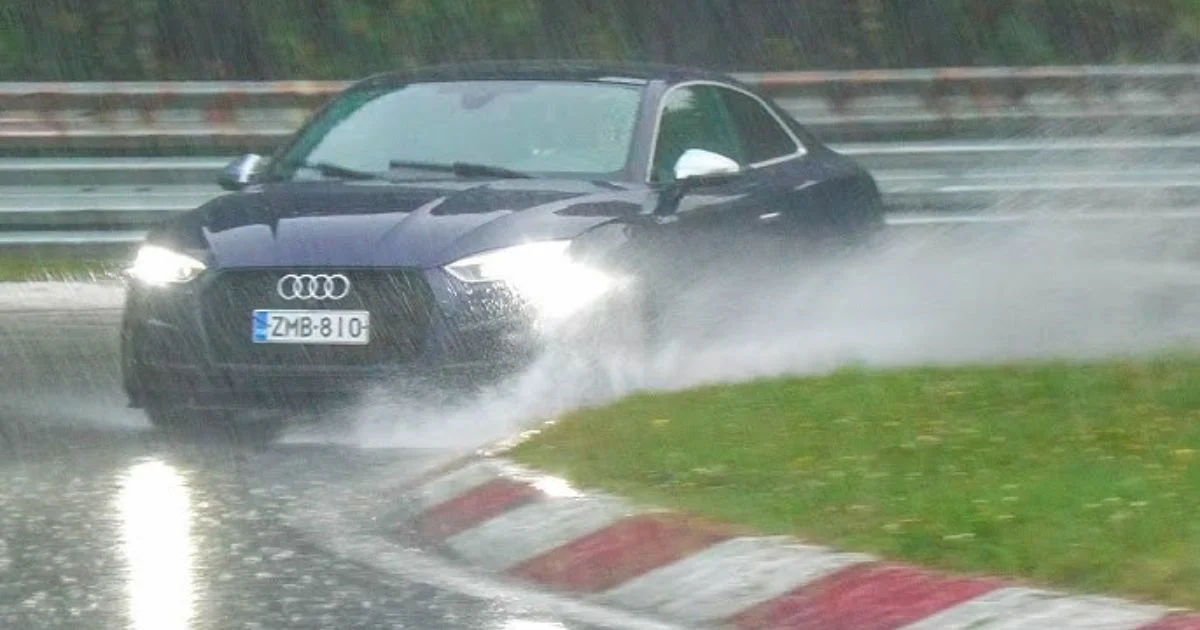
When water covers the road surface the tires have less direct contact with the pavement. This can reduce grip and increase braking distance.
A car with good tires can handle wet roads much better than a vehicle with worn tires. Tire tread helps move water away from the contact area.
Heavy rain can create standing water. When a car moves through deep water the tires may lose contact with the road surface. This situation is known as aquaplaning.
Drivers should reduce speed when rain becomes heavy. Sudden braking and sharp steering movements should also be avoided.
Does Weather Affect Car Speed
Weather can influence speed even when the engine itself is working normally.
Strong wind creates additional resistance. A car moving against a strong headwind needs more energy to maintain speed.
Rain can also make drivers reduce their speed because wet roads provide less grip. This is an important safety decision.
The maximum speed of a vehicle is normally determined by its engine power transmission gearing electronic limits tires and aerodynamics. Weather does not usually change the official maximum speed rating of a car. However weather can strongly influence the safe speed for a particular road.
A driver should therefore separate maximum vehicle speed from safe driving speed.
Mileage And Speed Comparison
The following comparison gives an easy way to understand the difference between several modern cars. Mileage figures are based on published specifications or tested figures where available. Speed figures can vary by trim and market.
| Car | Combined Mileage | Approx Top Speed |
|---|---|---|
| 2026 Honda Civic Sedan | 36 MPG | Around 120 MPH |
| 2026 Honda Civic Sedan Hybrid | 49 MPG | Around 120 MPH |
| 2026 Toyota Camry Hybrid | 46 MPG | 115 MPH |
| 2026 Hyundai Elantra | 35 MPG | Around 125 MPH |
| 2026 Kia K5 GT | 27 MPG | Around 155 MPH |
The 2026 Honda Civic Sedan is rated at up to 36 MPG combined for the standard LX version. The hybrid versions reach 49 MPG combined according to Honda specifications.
The 2026 Toyota Camry tested by Car and Driver achieved an EPA combined rating of 46 MPG in the tested configuration and had a government limited top speed of 115 MPH.
The 2026 Hyundai Elantra has an EPA combined rating of 35 MPG in the SE configuration. Hyundai also lists higher efficiency figures for the Elantra Hybrid.
The Kia K5 offers a different balance. The performance focused K5 GT has been tested with a much higher estimated top speed while its fuel economy is lower than the more efficiency focused cars.
These figures show an important point. Higher speed capability does not automatically mean better fuel economy.
Why Hybrid Cars Can Deliver Better Mileage
Hybrid cars use an electric motor together with a gasoline engine. This system can recover energy during deceleration and braking.
The electric motor can also assist the gasoline engine during acceleration. This allows the vehicle to use fuel more efficiently in many driving situations.
The Honda Civic Sedan Hybrid is a strong example. Honda lists 50 MPG in city driving and 47 MPG on the highway for the hybrid sedan. The combined rating is 49 MPG.
Hybrid performance can also be affected by weather. Very cold or very hot conditions can influence battery performance and climate control use.
Even so modern hybrid systems are designed to operate across a wide range of temperatures.
Cold Weather And Engine Performance
Cold weather creates several changes inside a vehicle.
Engine oil becomes thicker when temperatures fall. This means the engine may need more effort during startup.
The battery can also lose some performance in cold conditions. This can make starting more difficult for an older battery.
Tire pressure can decrease as temperatures fall. Lower tire pressure can increase rolling resistance and may reduce fuel economy.
Drivers should therefore check tire pressure regularly during seasonal temperature changes.
Air Conditioning And Fuel Consumption
Air conditioning is one of the most useful systems in a modern car. It keeps passengers comfortable during hot weather but it also requires energy.
When the air conditioning system is operating the engine or battery system has to provide additional energy.
The effect can be more noticeable during slow traffic. A vehicle moving at highway speed can sometimes maintain better efficiency because the engine is operating under more consistent conditions.
Drivers who want better mileage should avoid unnecessary idling with the air conditioner running for long periods.
Tire Condition Is More Important Than Many Drivers Think
Tires are one of the most important parts of a car.
Good tires help maintain grip during rain. They also support stable handling during emergency braking.
Worn tires can become dangerous during wet weather because the tread may not remove water effectively.
Tire pressure is also important. Underinflated tires create more rolling resistance. This can increase fuel consumption.
Overinflated tires can reduce the ideal contact area with the road. Drivers should follow the pressure recommended by the vehicle manufacturer.
Weather And Long Distance Driving
Long distance driving requires more attention to weather conditions.
Before starting a journey drivers should check the forecast for the route. Weather can change significantly between cities.
A clear road at the start of a journey does not guarantee the same conditions later.
Rain storms strong winds and extreme temperatures can all change driving conditions.
Drivers should also make sure their vehicle is ready for the trip. Engine oil coolant windshield washer fluid tires brakes lights and battery should be checked.
Choosing A Car For Different Conditions
There is no single car that is perfect for every driver.
A small sedan can provide excellent fuel economy and easy city driving.
A hybrid can be a strong choice for people who want better mileage.
A larger vehicle may offer more space and confidence on long journeys.
Performance cars provide stronger acceleration and higher speed capability but their fuel consumption can be higher.
The best choice depends on the driver’s daily needs.
Why Safe Speed Matters More Than Maximum Speed
A car may have a maximum speed that is much higher than the speed that is appropriate on a public road.
Weather changes this situation even further.
A dry road may provide good grip but rain can reduce traction. Strong wind can affect stability. Fog can reduce visibility.
For this reason drivers should choose speed according to road conditions rather than the maximum capability of the vehicle.
Good driving is not about reaching the highest possible speed. It is about maintaining control and leaving enough time to react.
Final Thoughts
Weather is an important part of everyday car performance. Heat can increase the demand on the cooling system and air conditioning. Cold temperatures can affect batteries fluids and tire pressure. Rain can reduce grip and increase braking distance.
Fuel mileage can also change because of climate control traffic road conditions tire pressure and engine temperature.
Modern cars are becoming more efficient and advanced. Hybrid vehicles are especially strong when fuel economy is the main priority. Performance models offer greater acceleration and speed but usually require more fuel.
The most important lesson is that drivers should understand the difference between vehicle capability and safe driving conditions.
A car may be capable of reaching a high speed but that does not mean the road or weather conditions are suitable for that speed.
Regular maintenance good tires correct tire pressure and sensible driving can help a vehicle deliver better mileage while also improving safety.
When the weather changes the best approach is simple. Slow down when conditions require it. Maintain the car properly. Check the tires. Watch the road. Give yourself enough distance to stop.
These simple habits can make a major difference to the performance and safety of almost every car on the road.
Article Source: Chat GPT
When we buy any new car we must have to check every car specification and all detail because these types of things always helps us for the knowledge of car weather also.