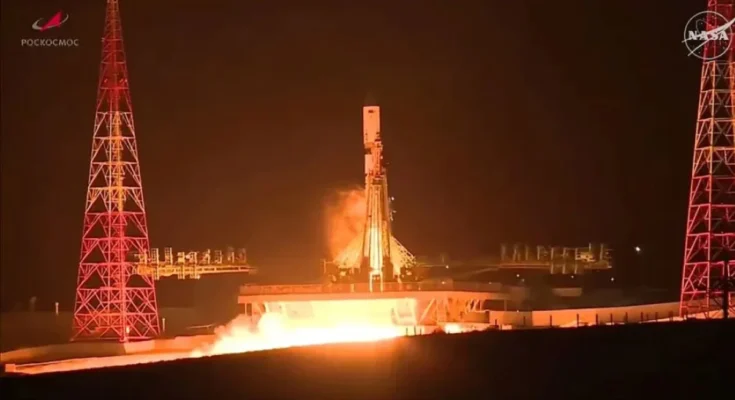
A fresh Progress cargo spacecraft blasted off from Baikonur Cosmodrome carrying vital supplies to the International Space Station crew. The uncrewed vehicle lifted off atop a Soyuz rocket marking another key step in ongoing space exploration efforts. Loaded with food propellant scientific equipment and life support items the mission ensures continuous operations aboard the orbiting laboratory. Roscosmos executed the launch smoothly despite minor technical notes from pre flight checks. This resupply flight underscores reliable logistics supporting long duration human presence in space.
Launch Details and Timeline
The Progress 94 mission launched precisely on schedule from the historic Kazakh site. Soyuz 2.1a booster powered the ascent reaching orbit minutes after ignition. Ground teams confirmed solar array deployment and antenna extension shortly after separation. Docking with the station is targeted for two days later using automated Kurs system. Crew members prepare to receive the cargo once the spacecraft arrives.
Cargo Contents and Priorities
Over two tons of pressurized cargo fill the Progress modules including fresh produce water recycling components and experiment hardware. Oxygen generation cartridges maintain breathable air quality for the multinational team. Propellant transfer preparations allow refueling of station tanks for future maneuvers. Scientific payloads focus on biology materials science and Earth observation studies. These items keep research active while addressing daily crew needs.
Role in Space Exploration Continuity
Regular Progress flights form the backbone of Russian contributions to the International Space Station program. They complement commercial vehicles like Dragon and Cygnus ensuring redundancy in supply chains. This approach minimizes risks from any single provider failure. Consistent deliveries enable extended missions far beyond initial design limits. Space exploration benefits from such dependable international cooperation.
Technical Highlights of the Mission
Engineers upgraded several systems on this Progress variant for improved performance. Enhanced telemetry provides real time data during rendezvous phases. Autonomous docking demonstrates advanced robotics trusted over decades. Fuel efficiency optimizations reduce overall launch mass slightly. These refinements reflect ongoing evolution in cargo spacecraft design.
Crew Preparations on the Station
Astronauts and cosmonauts aboard the outpost reviewed docking procedures in advance. They cleared space in the Zvezda module for new arrivals. Inventory checks confirm current stock levels before unloading begins. Post docking activities include leak checks and hatch opening sequences. The team looks forward to fresh food and new experiments.
Broader Implications for Future Missions
Successful Progress operations build confidence for deeper space endeavors including lunar and Martian plans. Reliable resupply experience informs logistics for Gateway station and Artemis program elements. International partners study these methods for potential adaptation. Data from this flight contributes to global knowledge base. Space exploration advances through shared lessons learned.
Challenges Overcome in Recent Flights
Earlier Progress missions faced occasional docking glitches requiring manual intervention. Teams analyzed anomalies and implemented software patches promptly. Current launch shows restored full confidence in automated systems. Weather delays at Baikonur were avoided this time. Such resilience strengthens the program’s track record.
Public and Scientific Interest
Space enthusiasts track the mission via live streams and official updates from Roscosmos. School programs use these events to inspire young minds about orbits and rocketry. Researchers eagerly await delivery of time sensitive biological samples. Media coverage highlights human element of space exploration. Public engagement remains high worldwide.
Looking Ahead to Next Steps
After docking crew unloads cargo over several days then fills Progress with waste. The spacecraft will undock later for destructive reentry burning up safely. Next Progress flight already in preparation maintains steady rhythm. Station schedule includes multiple visiting vehicles this year. Space exploration momentum continues unabated.
Resupply Success
Progress resupply mission liftoff represents steady progress in sustaining human activity in low Earth orbit. It demonstrates engineering excellence and international teamwork. Crew receives essential support enabling uninterrupted science and maintenance. This flight reinforces foundational elements of space exploration infrastructure. Reliable cargo delivery paves the way for ambitious journeys ahead.
As we all know Nasa is doing experiments day by day and its also good thing for us.