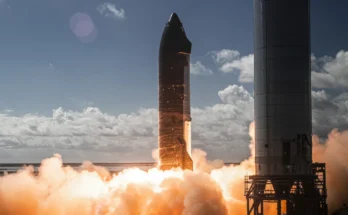
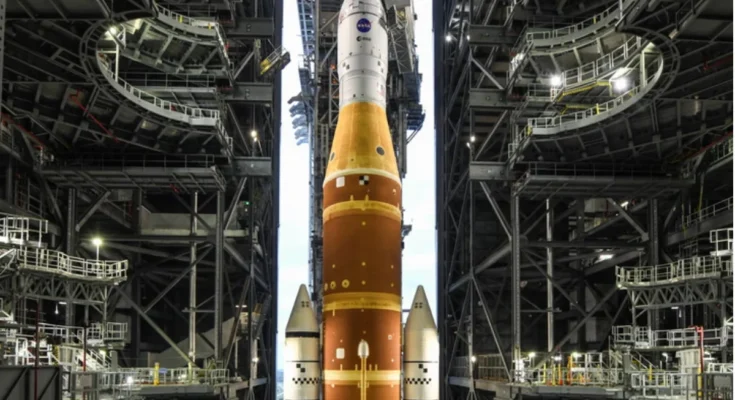
NASA is preparing to launch the Artemis II moon rocket on April 1 following extensive repairs. The team worked tirelessly to ensure every system is fully operational. Engineers conducted multiple tests to guarantee safety and reliability. Public interest in the mission has grown steadily over the past months. This launch represents a significant step for lunar exploration and human spaceflight.
Extensive Repairs and Testing
The Artemis II rocket underwent comprehensive repairs after previous technical issues. NASA engineers focused on engines guidance systems and structural components. Each repair was followed by rigorous testing to confirm effectiveness. Teams collaborated across multiple facilities to maintain precision. These efforts aim to reduce risks and increase mission success.
Mission Objectives and Goals
The Artemis II mission aims to advance human exploration beyond Earth. Astronauts will travel around the moon conducting scientific observations. The mission will also test life support systems and communication networks. NASA hopes to gather data that will benefit future deep space missions. This step is crucial for returning humans to the lunar surface.
Crew Preparations and Training
Astronauts assigned to Artemis II underwent extensive training exercises. Simulations focused on zero gravity navigation problem solving and emergency protocols. Crews also practiced operating scientific instruments during lunar orbit. Physical fitness and mental resilience were essential components of preparation. Training ensures the team is ready for every scenario in space.
Launch Pad and Countdown Procedures
The rocket will return to the launch pad under strict supervision. Countdown procedures include system checks fuel loading and safety verifications. Ground teams monitor weather conditions and technical parameters closely. Coordination between engineers mission control and astronauts is critical. This structured approach maximizes efficiency and safety during the launch.
Public Engagement and Media Coverage
NASA has encouraged public engagement for the Artemis II launch. Live streams interviews and educational events will provide updates in real time. Social media platforms are highlighting mission details and astronaut stories. The public response has been enthusiastic with millions following updates. Media coverage ensures global interest in human space exploration.
Scientific Experiments and Research
The Artemis II mission will carry scientific experiments for lunar studies. Instruments will measure radiation levels monitor space weather and test new materials. Data collected will inform future missions to the moon and beyond. NASA collaborates with international partners to expand research scope. Experiments provide valuable knowledge for deep space exploration.
Safety Protocols and Risk Management
Safety remains the highest priority for NASA during the launch. Teams implemented multiple layers of checks and contingency plans. Risk assessments consider technical environmental and human factors. Emergency protocols are rehearsed extensively by all personnel. This meticulous planning reduces potential hazards during the mission.
Impact on Future Lunar Missions
Successful completion of Artemis II will pave the way for Artemis III and beyond. Lessons learned will refine spacecraft design and operational procedures. NASA aims to establish sustainable human presence on the moon. Collaboration with private companies and international agencies is expected. The mission is a milestone for long term lunar exploration goals.
Technological Innovations and Advancements
Artemis II showcases cutting edge technology in propulsion guidance and communication. Engineers designed systems to handle the challenges of deep space travel. Innovations improve efficiency reliability and safety for astronauts. These advancements also influence satellite missions and commercial spaceflight. Technology development remains a central goal of the Artemis program.
Public Excitement and Global Significance
The upcoming launch has generated excitement among space enthusiasts worldwide. Educational institutions and science communities follow developments closely. The mission highlights human curiosity and ambition for exploration. NASA’s Artemis II demonstrates international leadership in space science. Public interest reinforces support for future projects beyond Earth.
Conclusion and Anticipation
NASA’s Artemis II rocket launch on April 1 marks a pivotal moment for lunar exploration. Extensive repairs thorough testing and astronaut preparation ensure readiness. The mission promises valuable scientific data and technological insights. Public engagement has created global anticipation and enthusiasm. Artemis II represents progress in human spaceflight and the ongoing journey to the moon.
NASA mostly do the new experiments with the launcheing the rockets in the space.