Scientists around the world are working to map plant species in detail and understand how ecosystems are changing. Traditionally this type of research required years of fieldwork and extensive resources. Now technology and public participation are making the process faster and more efficient. An app has been developed to allow people to contribute observations and photos of plants from their local areas. CBS Sunday Morning recently highlighted how this collaboration is helping scientists collect valuable data on a larger scale.
The Role of Citizen Science
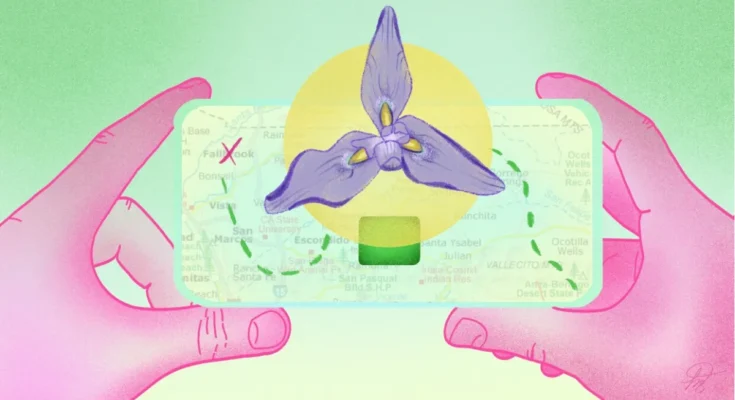
Citizen science is a method where members of the public assist professional researchers in gathering data. In this case the app allows users to identify plants take pictures and submit information directly to scientific databases. Each observation contributes to mapping plant distribution and monitoring changes over time. Scientists can analyze this data to study biodiversity and track the impact of environmental factors. Citizen involvement expands the reach of research beyond what a small team could achieve alone.
The app is designed to be user friendly so that anyone can participate regardless of prior knowledge. It provides guidance on identifying species and ensures that data is accurately recorded. Users receive feedback and sometimes recognition for their contributions. This approach encourages learning and engagement with the natural world while supporting important scientific work. It also demonstrates how technology can connect people with research in meaningful ways.
Benefits for Science and Conservation
Data collected through the app is helping scientists better understand plant populations and ecosystems. Mapping where different species grow provides insight into environmental trends and climate effects. Conservation efforts benefit from this information because areas with declining species can be identified quickly. Researchers can prioritize protection and restoration projects based on the data gathered by the public. The collaboration also increases awareness of ecological issues among participants.
By involving the public scientists gain access to a larger and more diverse dataset. Observations from different regions and habitats provide a fuller picture of plant distribution. This comprehensive information is difficult to obtain through traditional field studies alone. The combination of professional research methods and widespread citizen reporting improves accuracy and reliability. As a result decision makers can make better informed choices for environmental management.
Educational Impact and Public Engagement
The app also serves an educational purpose by teaching users about local flora. Participants learn to recognize different species understand their roles in ecosystems and appreciate biodiversity. Schools and community groups often encourage involvement as part of science and environmental programs. This engagement fosters curiosity and motivates people to observe nature more closely. CBS Sunday Morning highlighted stories of individuals who became passionate about plants through their participation.
Users not only contribute to science but also gain a sense of accomplishment from their efforts. The app provides updates and information about the significance of collected data. People can see how their observations are helping research projects and conservation strategies. This feedback loop strengthens public interest and encourages continued participation. It also demonstrates that small individual actions can have meaningful impact on global scientific goals.
Technology Making Science Accessible
The development of mobile apps and online platforms has revolutionized how science is conducted. Tasks that once required extensive travel and coordination can now be accomplished digitally with public support. GPS enabled devices allow precise location tracking of plant observations. Cloud based storage and data management make it easy for researchers to compile and analyze large volumes of information. Technology bridges the gap between professional scientists and the general public in ways that were not possible before.
This trend of using apps and citizen scientists is expected to grow as more projects adopt digital tools. Scientists are exploring other areas of research such as wildlife monitoring and environmental surveys using similar methods. Public participation enhances research efficiency while fostering a deeper connection between people and nature. The CBS Sunday Morning segment highlighted the success of these projects and the enthusiasm of participants. It shows how collaboration can benefit both science and society.
Looking Forward
The collaboration between scientists and the public is helping to create more detailed and accurate plant maps than ever before. As more people join and contribute observations the quality and scope of data will continue to improve. This project demonstrates that everyday individuals can play a vital role in advancing scientific knowledge. It also highlights the potential of technology to make research more inclusive and impactful. With ongoing participation and support the future of plant mapping looks promising and offers a model for other areas of citizen science.
Through the app people are not just observing plants they are helping preserve ecosystems and contributing to global knowledge. CBS Sunday Morning’s coverage emphasized the value of this cooperation and the excitement it generates. The initiative shows that science is not limited to laboratories but can be a shared effort accessible to everyone. As the project grows the contributions of citizen scientists will remain an essential part of understanding and protecting the natural world.
Every scientist try to do many experiments on different ways untill he find the best result.